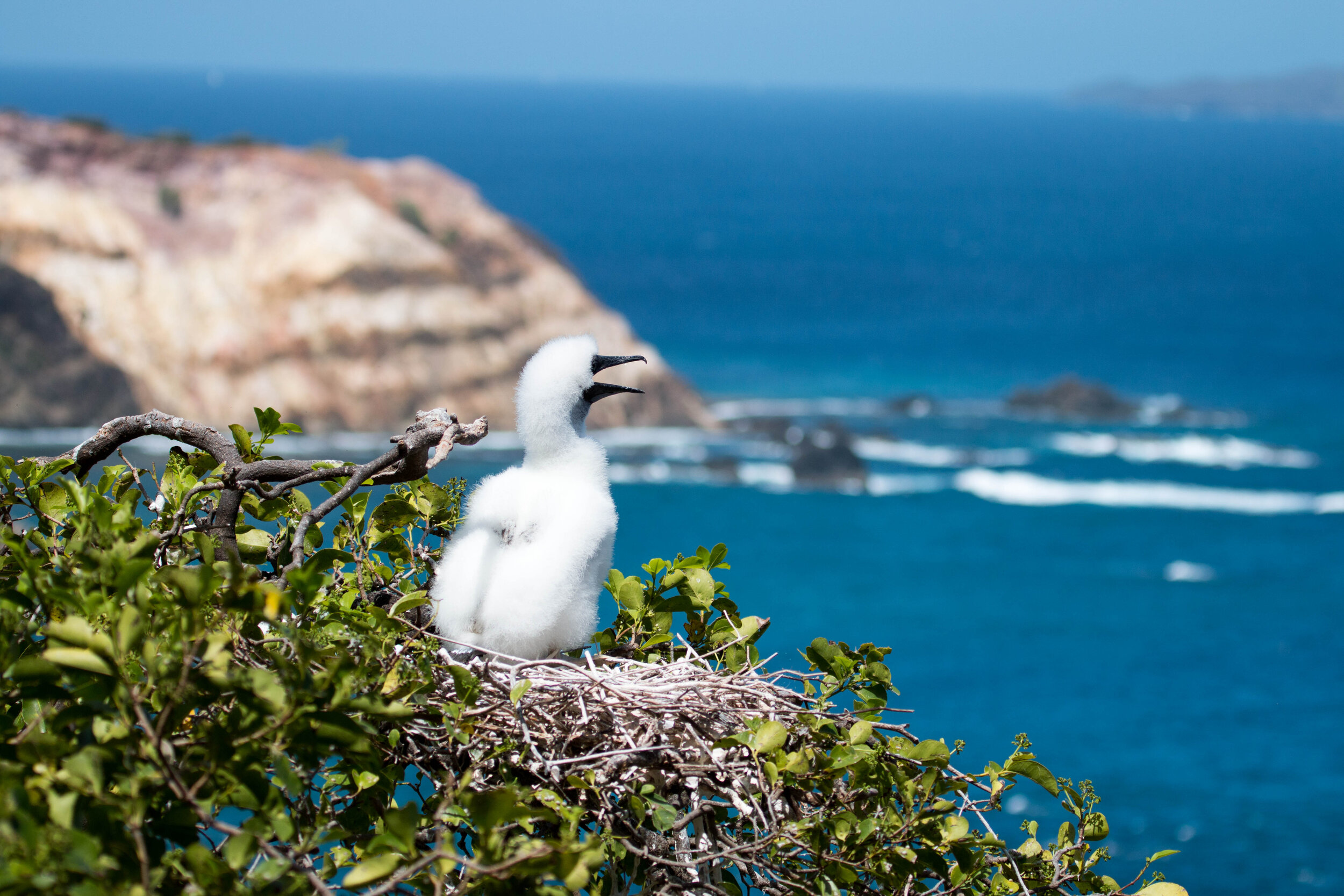
Plastic. Chemicals. Wildlife. The ocean accumulates what we put into it — and the consequences for marine life are only beginning to be understood. Adrift Lab is a research cooperative dedicated to documenting those consequences, communicating them clearly, and using the evidence we produce to drive change.

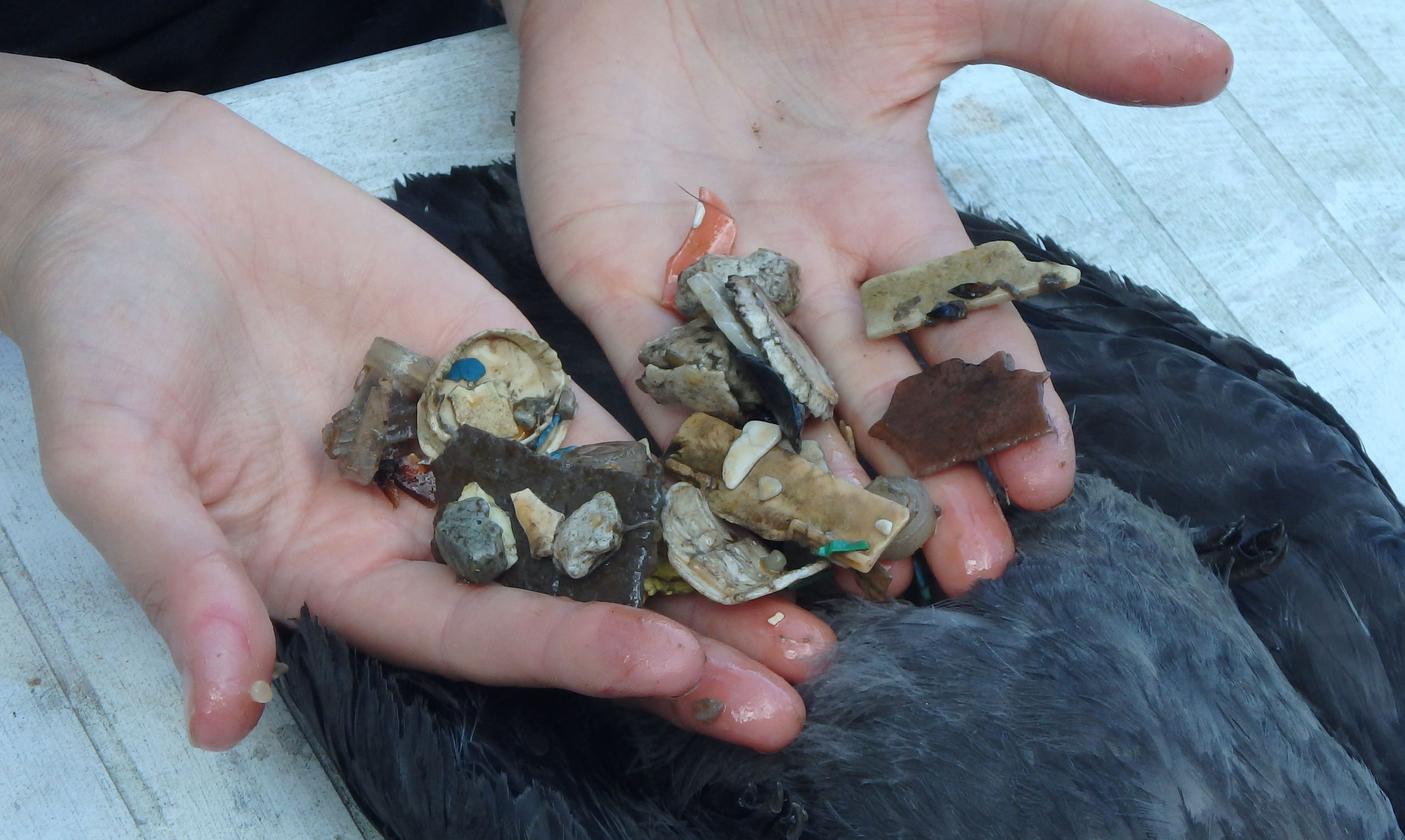
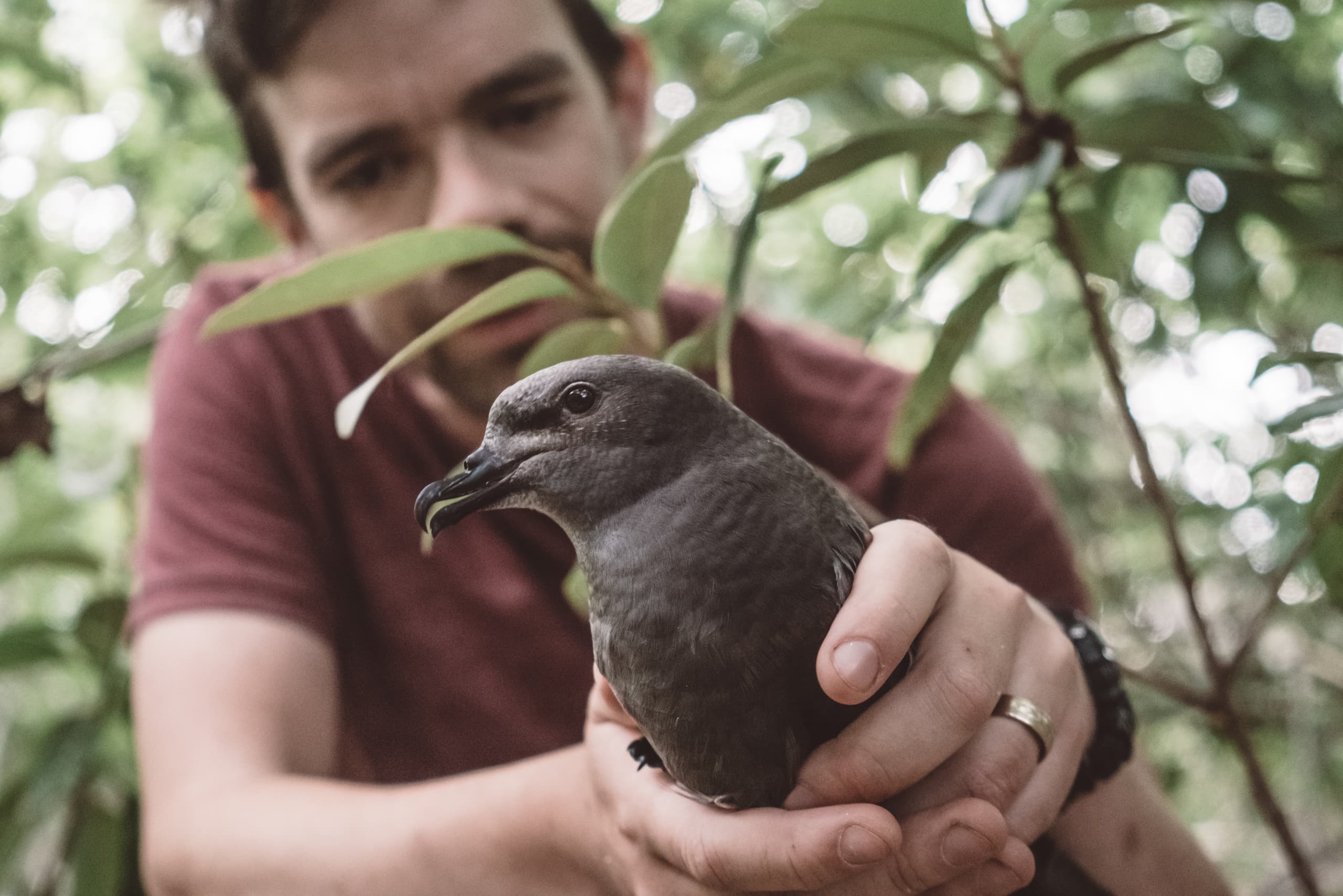
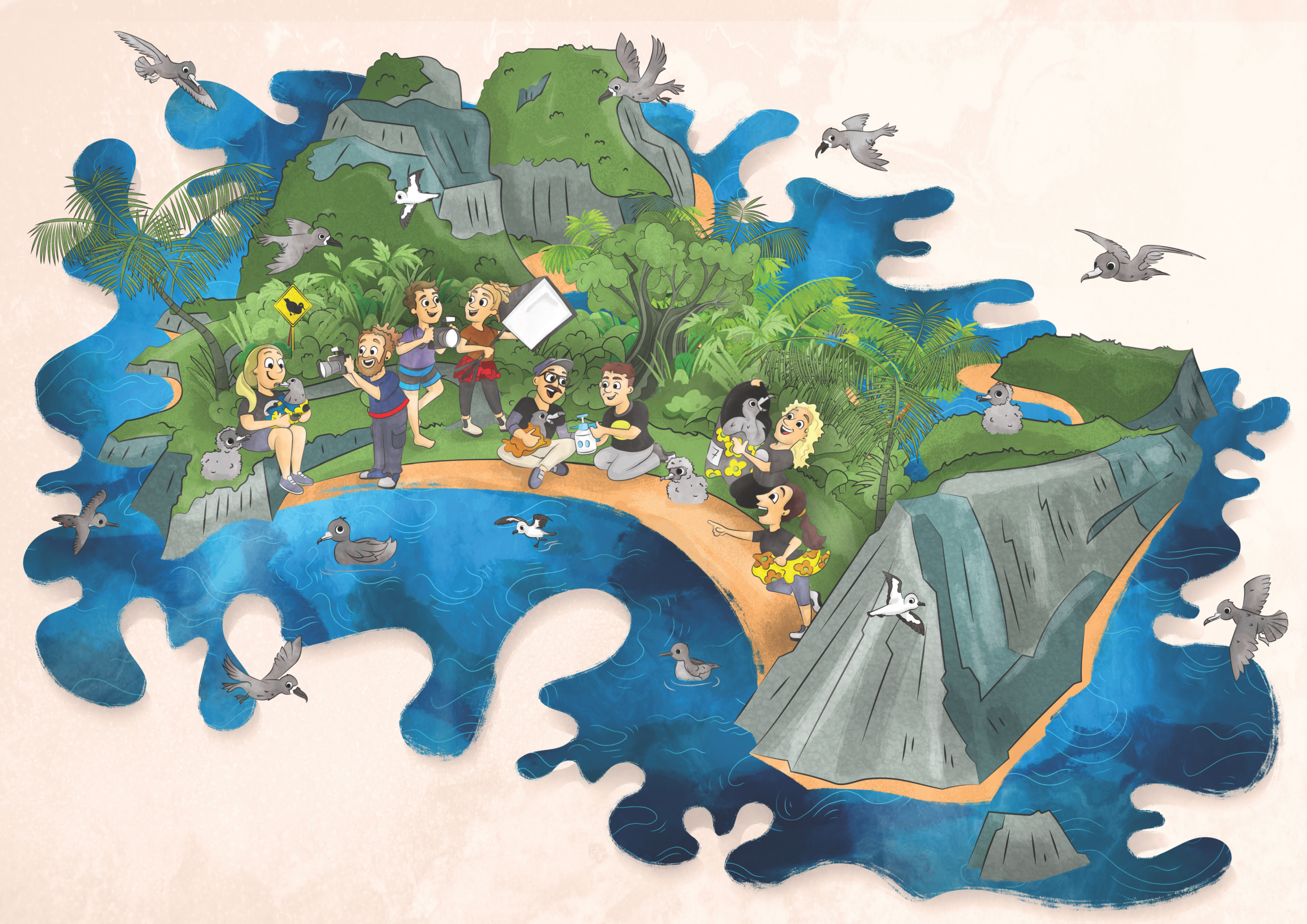
We have been working on seabirds and marine plastic pollution for more than two decades. Our flagship monitoring programme on Lord Howe Island — now entering its third decade — is the second longest continuously running study of plastic ingestion in any seabird species in the world and the most comprehensive.
In 2023, our team described Plasticosis, a previously undocumented fibrotic disease caused by plastic ingestion. More recently, we documented signs of neurodegeneration in seabird chicks as young as 80 days old.
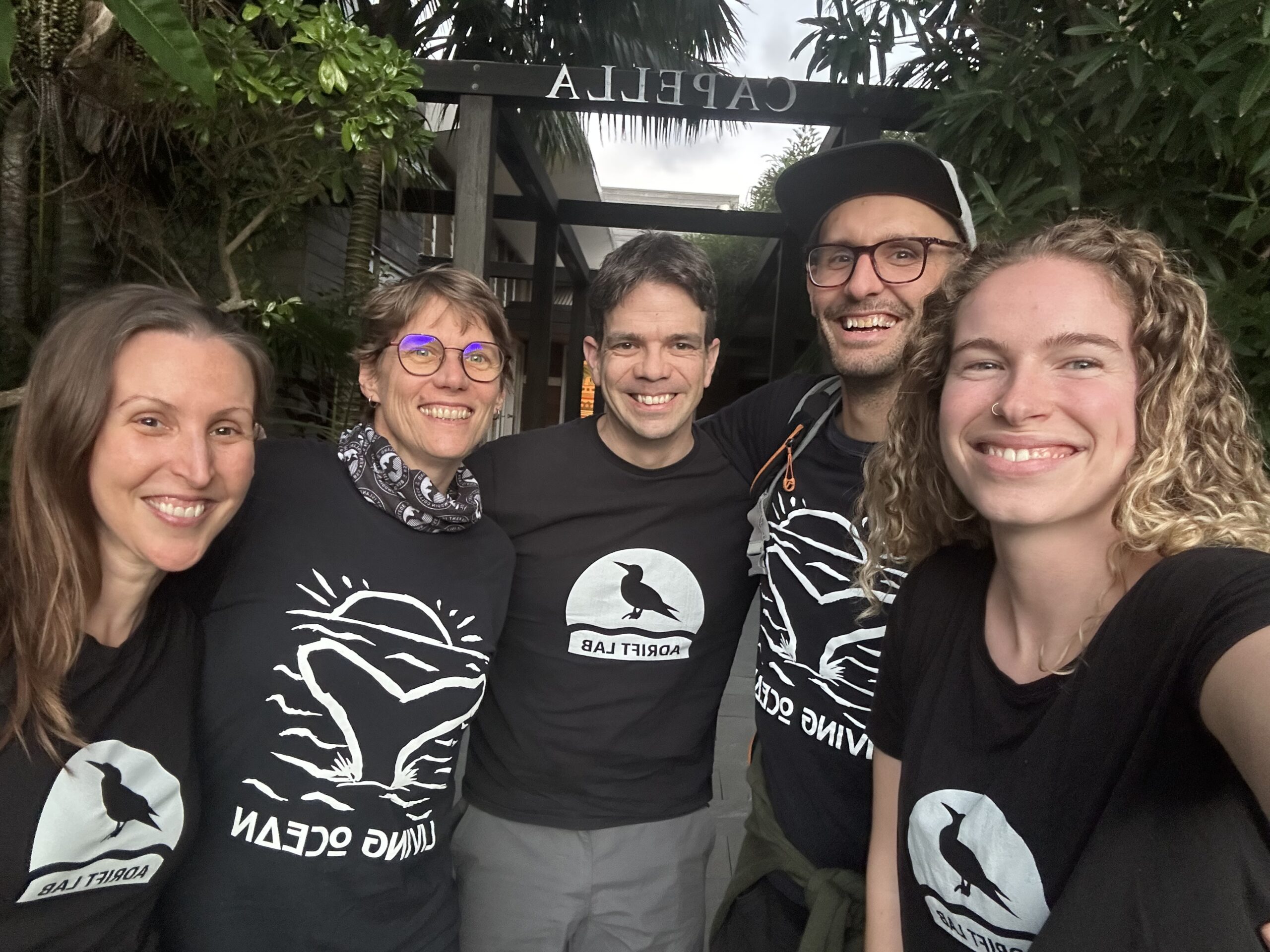
We are a small team. We have never received government research funding. We thrive because of the support of philanthropists, NGOs, and community members who share our conviction that rigorous, long-term, independent science is worth investing in.
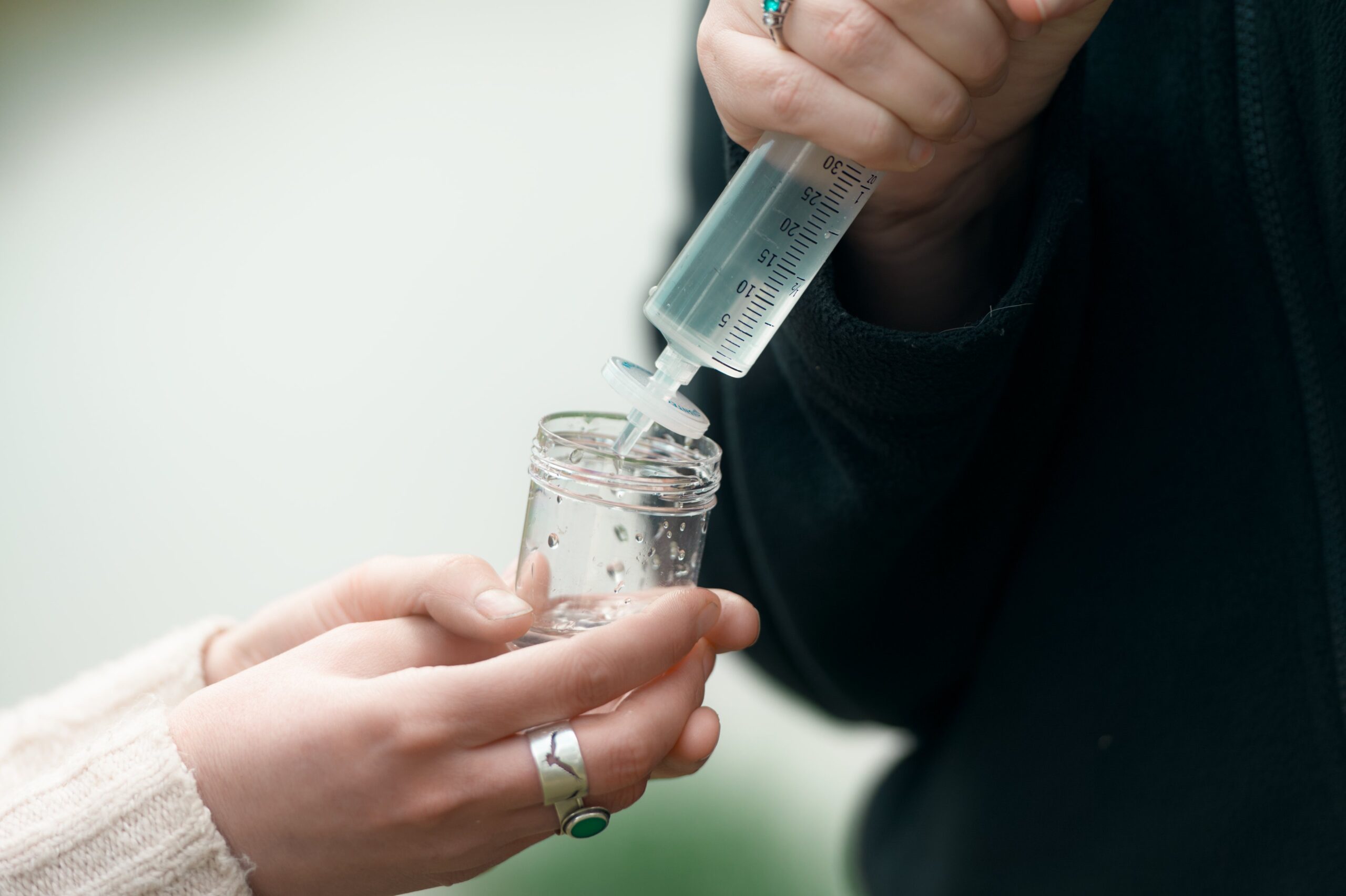
Citizen science
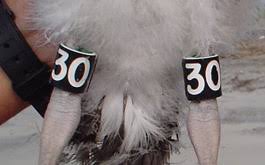
Adrift Lab coordinates citizen science submissions for various sets of seabird data. We are currently accepting submissions for banded masked boobies on Pitcairn Island.
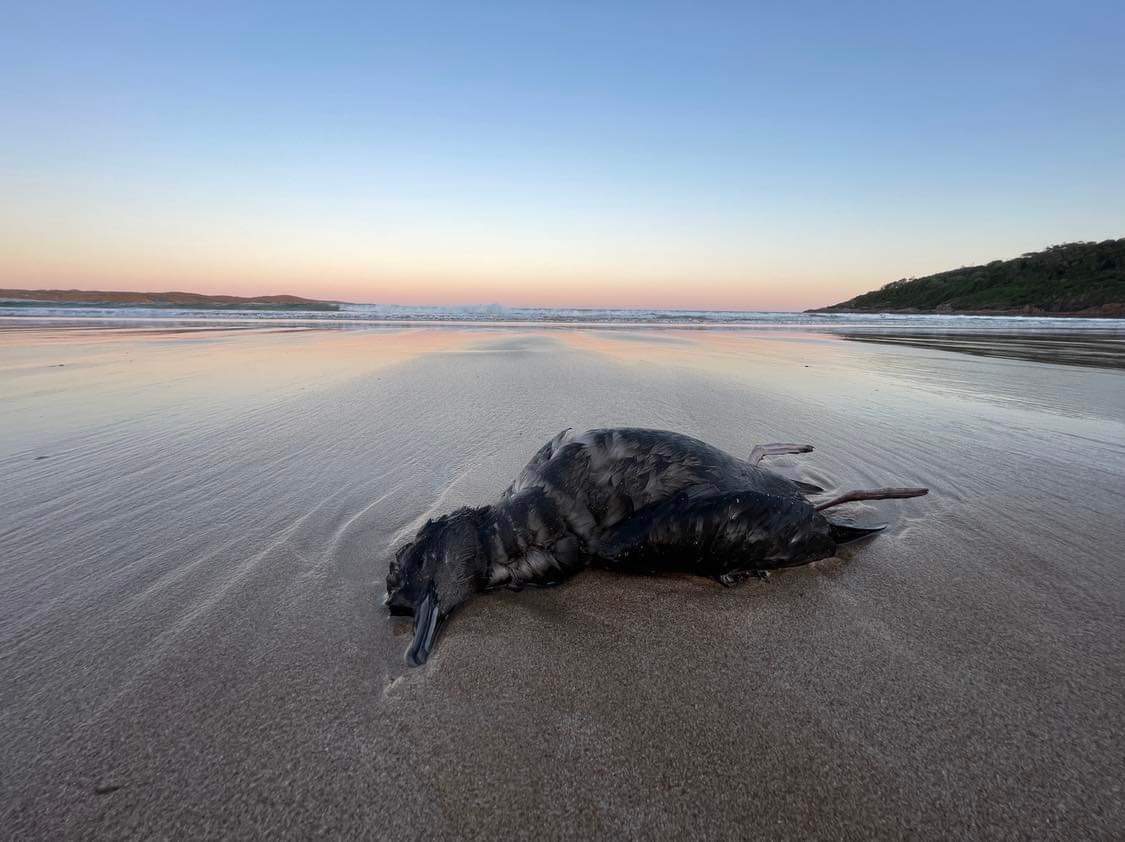
Recent news
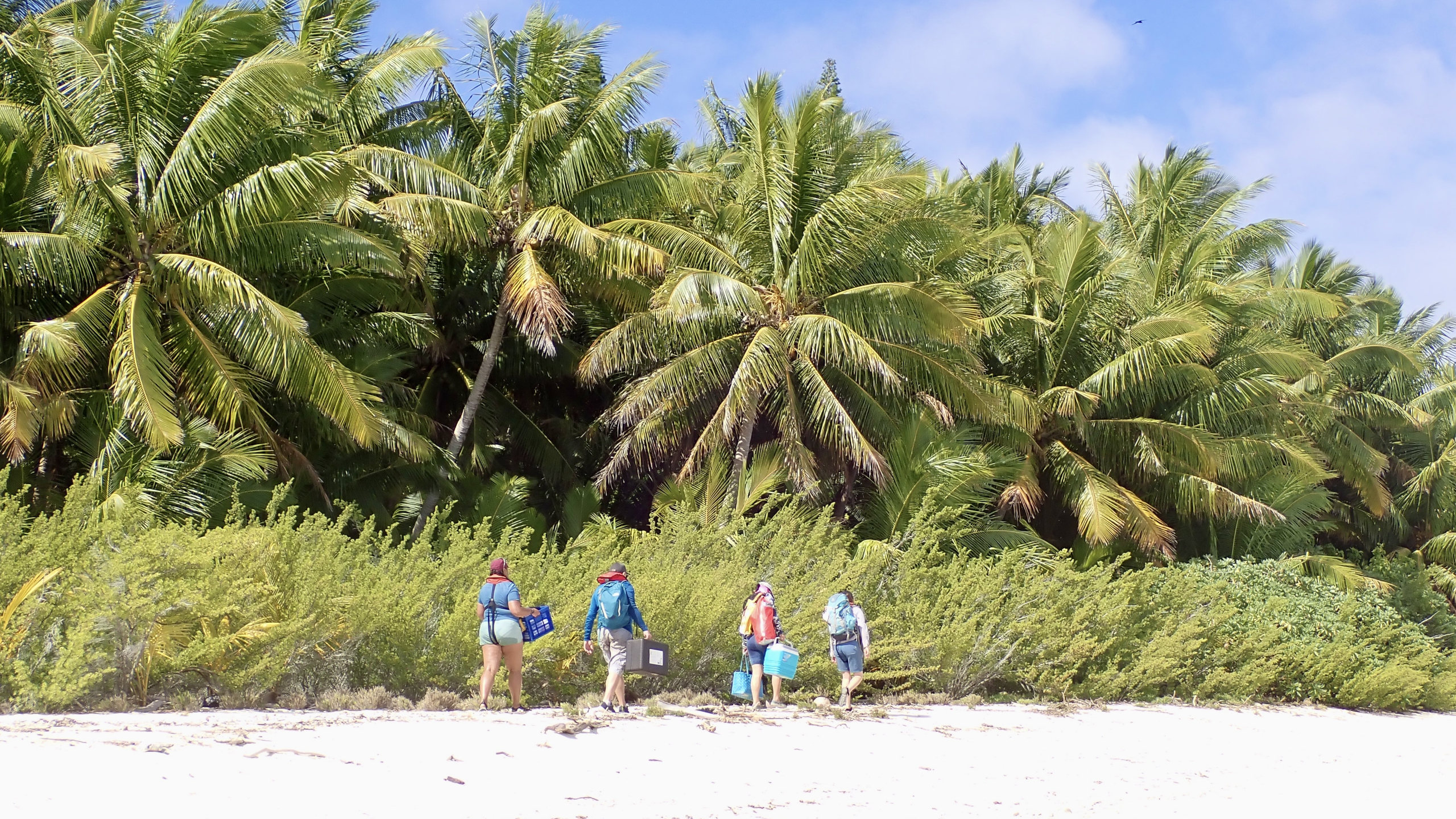
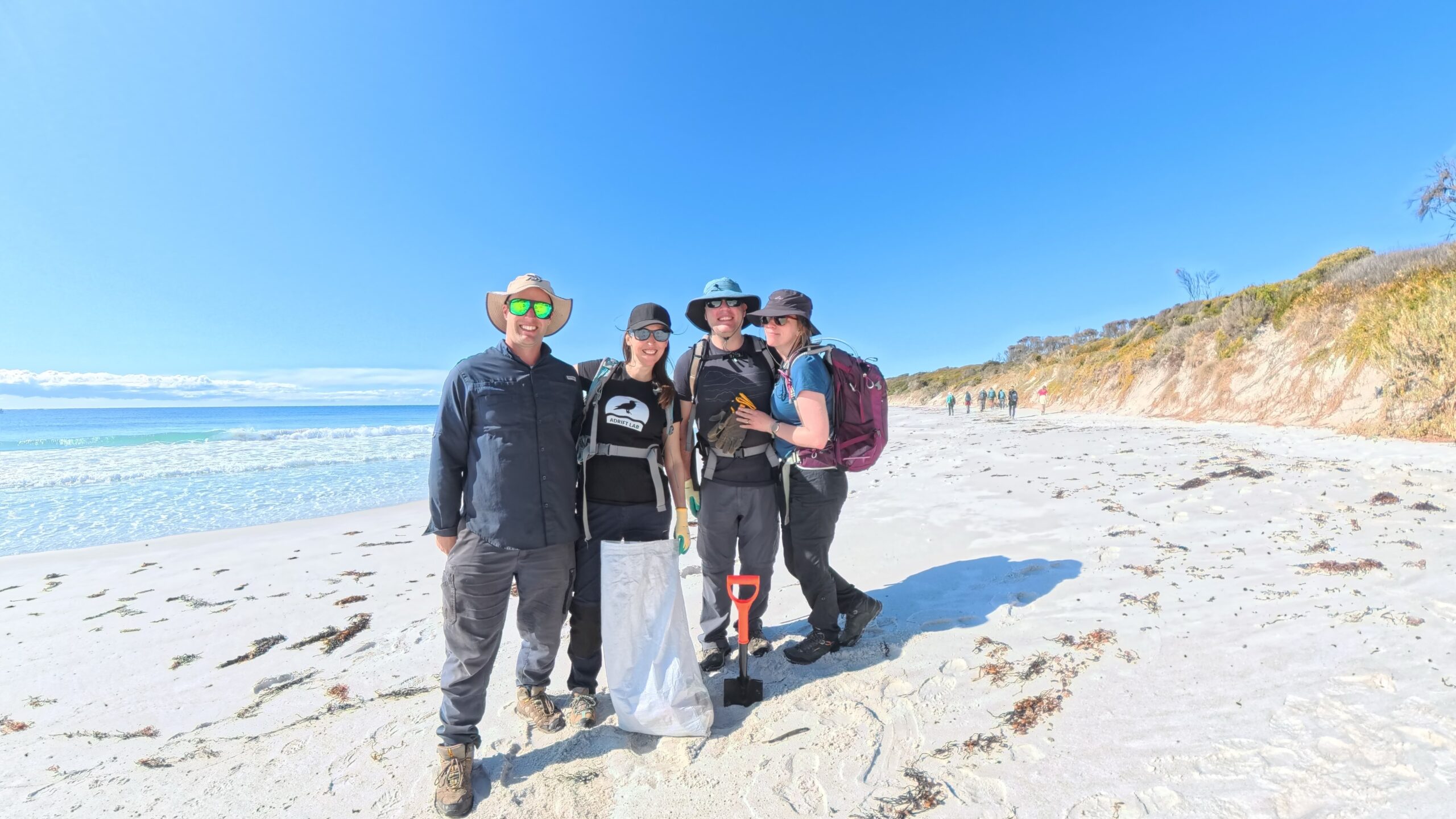
“Our goal ultimately is to try and understand the impacts of plastic pollution on different parts of marine ecosystems”
– Dr Alex Bond
Subscribe for updates
Keep up to date with what we’re working on! We’ll send you emails about the lists you opt in to, and you can unsubscribe at any time.