About Adrift Lab
Adrift Lab is a research cooperative focused on seabirds and marine plastic pollution.
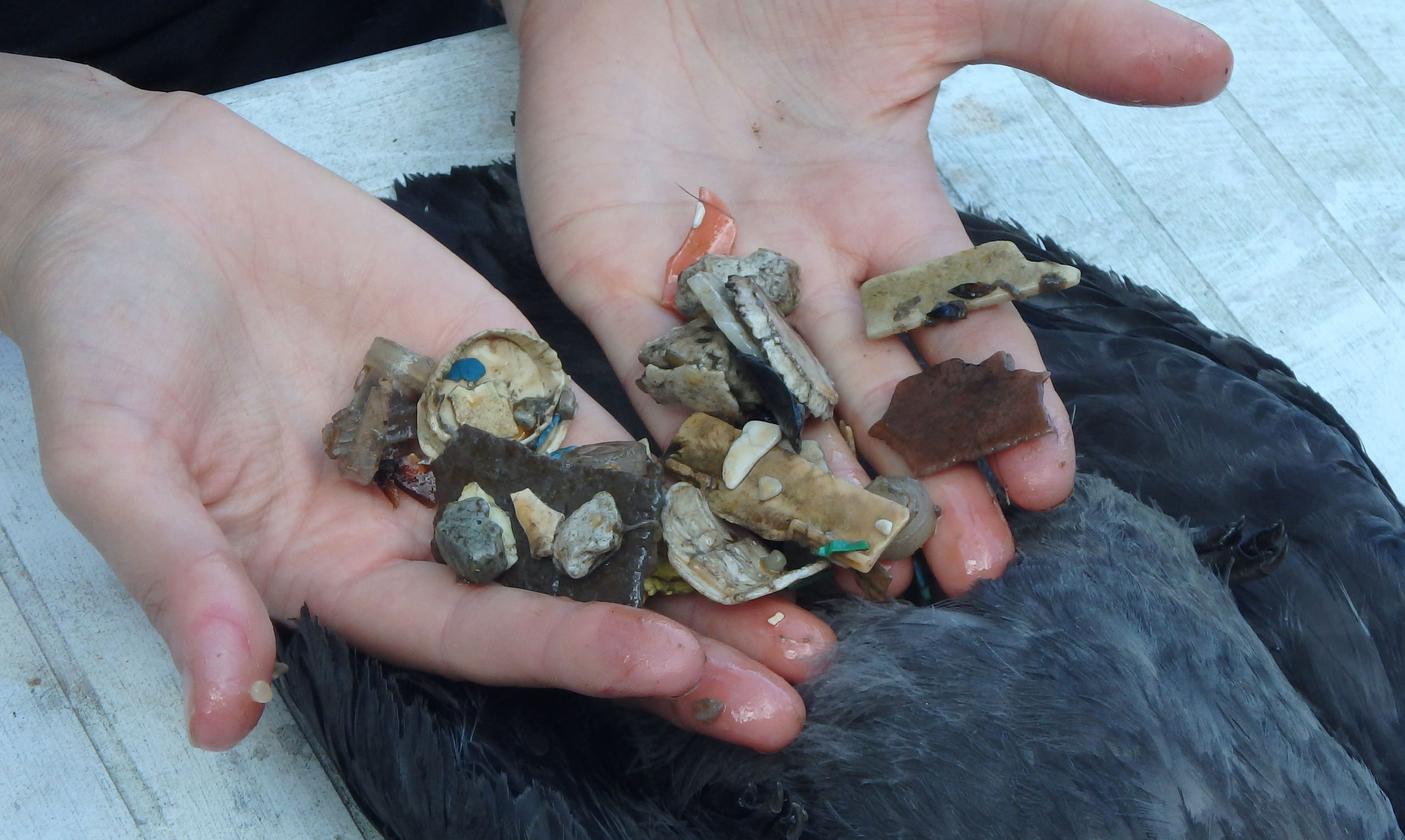
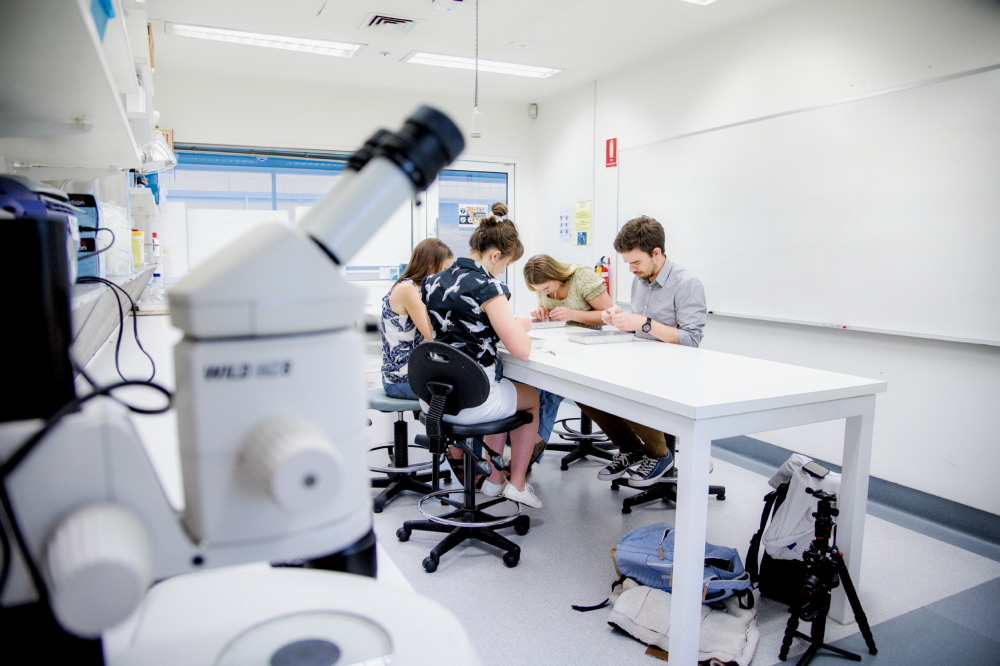
We study what the ocean carries — plastic, chemicals, and their consequences for marine wildlife — using long-term datasets, laboratory analysis, and field ecology. Our findings inform marine and waste policy, and we work actively to communicate them to communities, policymakers, and the broader public.
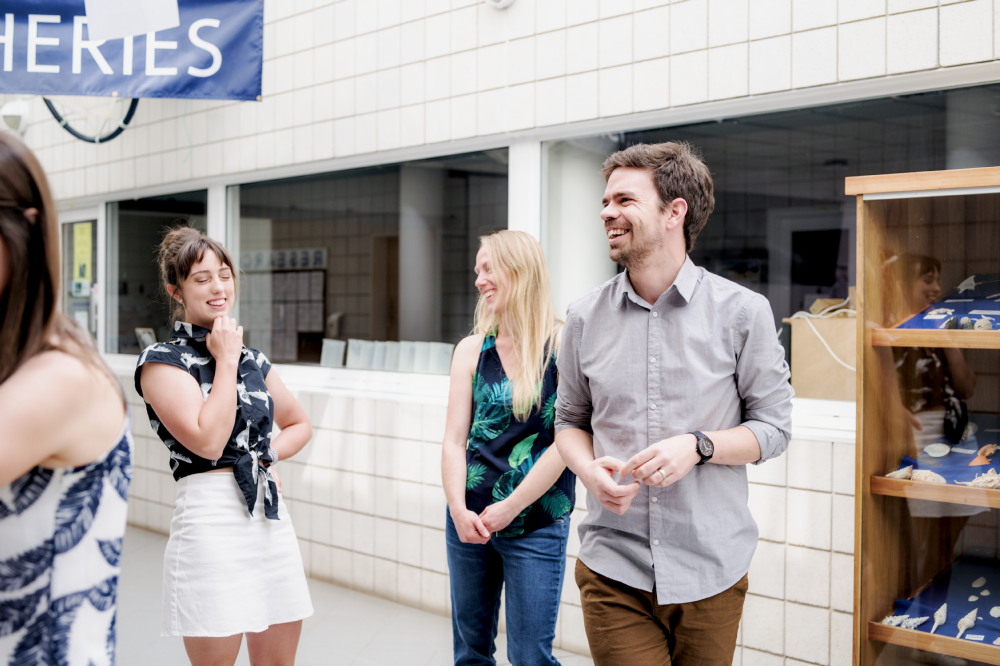
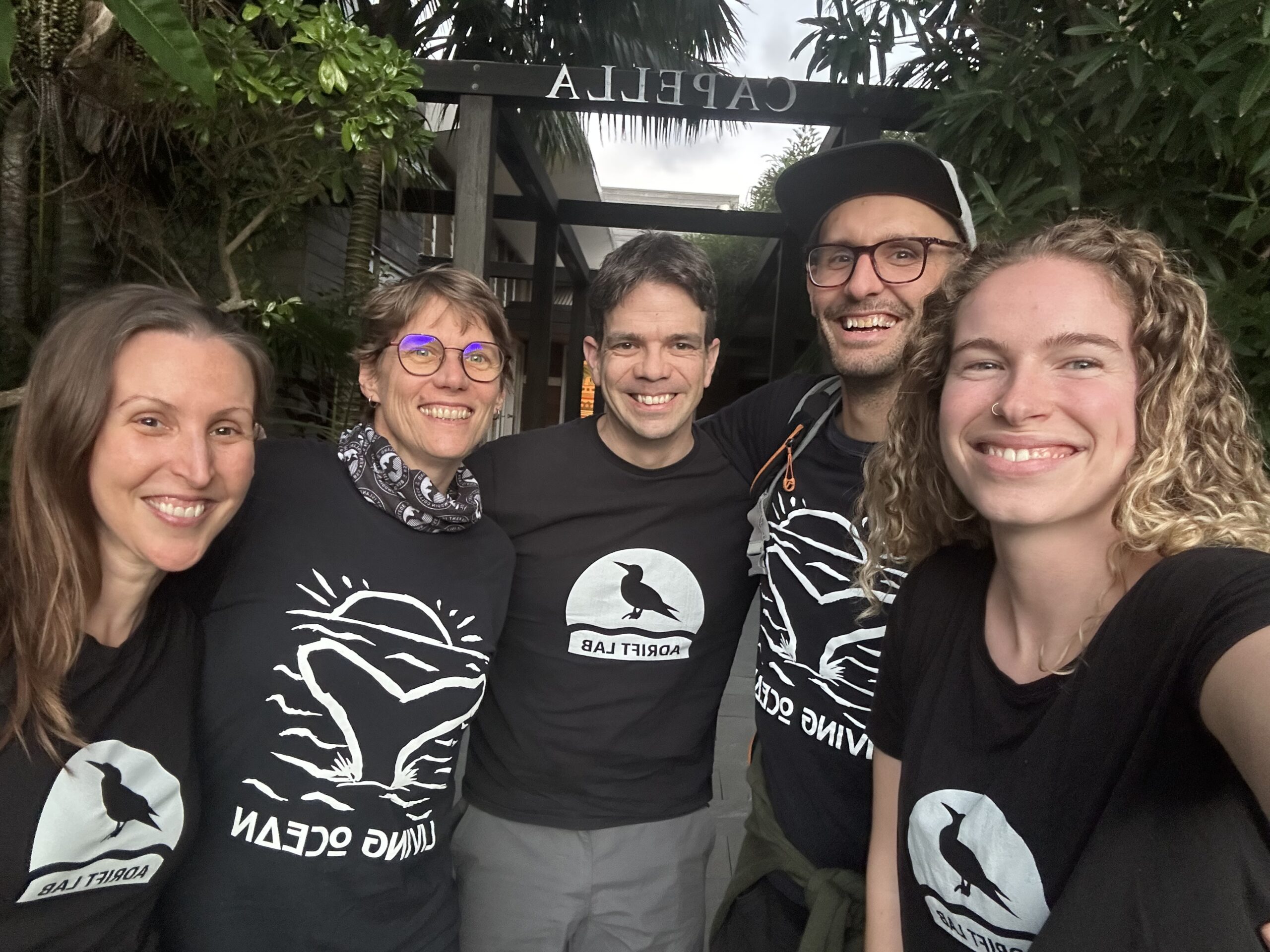
Our team is split roughly equally between Australia, the United Kingdom, and Aotearoa New Zealand and brings together ecologists, ecotoxicologists, medical scientists, statisticians, and graduate researchers from across the globe. We are based across multiple institutions but operate as a single, genuinely collaborative group. We are always looking for new researchers, partners, and supporters who share our commitment to applied conservation science.
How we work
We are not a department. We are not tied to a single funding body or institutional agenda. Adrift Lab has been sustained, from the beginning, by a small number of philanthropic donors, NGO partners, and community supporters — and we think that model has shaped the science we produce for the better. It keeps us closely connected to the communities whose environments we study. It means our research agenda is set by scientific questions, not by funding priorities. And it means that the people who support us are genuine partners in the work, with a real stake in its outcomes.
We are currently pursuing charitable status in the UK, which will allow us to formalise and expand that community of support.
Our ethos
Good science; good people.
We believe that rigorous, long-term, independent science is the foundation of effective environmental policy — and that producing it is a genuine public good. We also believe that science has a responsibility to communicate beyond the academic literature. Our work appears in peer-reviewed journals, but it also appears in community events, public exhibitions, art collaborations, and citizen science programmes. We think all of that is part of the job.
That good science is dependent on building a team that truly works together, fosters trust, and supports each other when the often gut-wrenching work of conservation becomes too much. Conservation is people, and we can’t forget about those at the cut-face of research when the world is in so much trouble.
We are committed to diversity and inclusion within our team, and we actively encourage enquiries from researchers of all backgrounds and identities.